Water leaks are among the most common yet potentially destructive plumbing problems homeowners face. While some leaks are obvious, such as a dripping faucet or a burst pipe, others remain hidden behind walls, beneath floors, or underneath foundations for months before they are discovered. Unfortunately, even small leaks can lead to significant water damage, mold growth, structural deterioration, and increased utility costs when left untreated.
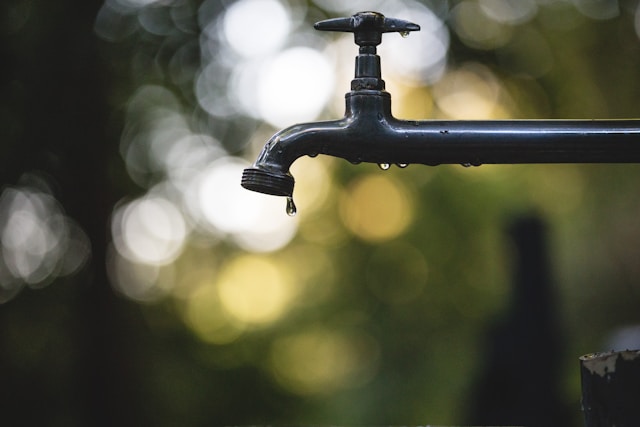
For homeowners in Skokie, early identification and repair of plumbing leaks are essential for protecting property value and maintaining a safe living environment. Modern water leak detection technologies now make it possible to locate hidden leaks with remarkable accuracy, reducing the need for invasive repairs and minimizing damage.
This guide explores the importance of Water Leak Detection and Leak Repair in Skokie: Protecting Your Home from Costly Water Damage, including common causes of leaks, warning signs, professional detection methods, and the benefits of timely repairs.
Understanding Water Leak Detection in Skokie
Water leak detection is the process of identifying leaks within a plumbing system before they cause extensive damage. Professional plumbers use specialized equipment and diagnostic techniques to locate leaks that may not be visible during a routine inspection.
Many homeowners assume they would immediately notice a leak, but hidden water leaks often develop gradually. Leaks inside walls, ceilings, crawl spaces, slabs, or underground pipes may continue unnoticed while causing serious damage behind the scenes.
Professional water leak detection in Skokie helps homeowners identify problems early, reducing repair costs and preventing unnecessary property damage.
Common Causes of Water Leaks
Water leaks can occur for many reasons. Understanding these causes can help homeowners recognize risks and take preventive action.
Aging Plumbing Systems
Over time, plumbing materials naturally deteriorate. Older homes may contain pipes that have been exposed to decades of wear and tear, increasing the likelihood of leaks.
As plumbing systems age, joints, seals, and pipe walls become more vulnerable to failure.
Corroded Pipes
Pipe corrosion is a leading cause of residential water leaks.
Corrosion can result from:
- Water chemistry
- Mineral buildup
- Oxidation
- Age-related deterioration
As corrosion progresses, small holes can develop in pipe walls, eventually causing leaks.
Loose Fittings
Pipe connections and fittings can loosen over time due to vibration, water pressure fluctuations, and normal household use.
Loose fittings may create slow leaks that remain hidden for extended periods.
High Water Pressure
Excessive water pressure places stress on plumbing components.
Although strong water pressure may seem beneficial, it can accelerate wear on:
- Pipes
- Valves
- Fittings
- Appliances
- Water heaters
Persistent high pressure increases the risk of leaks and plumbing failures.
Tree Root Intrusion
Underground water lines can become vulnerable to invasive tree roots.
Roots naturally seek moisture and may penetrate small cracks in pipes. Once inside, roots can expand and create significant damage.
Tree root intrusion is a common cause of underground pipe leaks and sewer line issues.
Seasonal Temperature Changes
Illinois experiences significant seasonal temperature fluctuations.
Cold winter temperatures can cause pipes to freeze and crack, while repeated expansion and contraction may weaken plumbing systems over time.
These seasonal stresses often contribute to hidden leaks.
Why Early Leak Detection Matters
The earlier a leak is identified, the easier and less expensive it is to repair.
Professional leak detection offers several important benefits.
Lower Water Bills
Even a small leak can waste thousands of gallons of water annually.
Many homeowners first discover a hidden leak when they notice a sudden increase in their monthly water bill.
Prompt leak repair helps eliminate unnecessary water consumption and reduces utility costs.
Prevention of Structural Damage
Water can slowly weaken important structural components, including:
- Drywall
- Wood framing
- Flooring
- Insulation
- Foundations
Leaks that remain undetected may eventually require extensive restoration work.
Early intervention protects the structural integrity of the home.
Reduced Mold Growth Risk
Moisture accumulation creates ideal conditions for mold and mildew.
Mold growth can occur behind walls, beneath flooring, inside cabinets, and within crawl spaces.
Early leak detection helps eliminate moisture sources before mold becomes established.
Increased Plumbing System Lifespan
Addressing leaks promptly reduces stress on plumbing systems and helps prevent further deterioration.
Routine maintenance and timely repairs often extend the lifespan of residential plumbing infrastructure.
Improved Water Conservation
Water conservation remains an important concern for homeowners and communities alike.
Repairing leaks helps preserve valuable water resources while supporting environmentally responsible household practices.
Warning Signs of Hidden Water Leaks
Not all plumbing leaks are visible. Many hidden leaks produce subtle warning signs that homeowners should not ignore.
Unexpected Increase in Water Bills
A sudden increase in water usage without a corresponding change in household activity often indicates a hidden leak.
Monitoring monthly utility bills can help identify problems early.
Damp Walls or Ceilings
Water stains, discoloration, bubbling paint, or soft drywall may indicate moisture accumulation behind surfaces.
These symptoms often signal hidden pipe leaks.
Musty Odors
Persistent musty smells frequently indicate trapped moisture and potential mold growth.
If odors continue despite cleaning efforts, a hidden leak may be the underlying cause.
Low Water Pressure
Leaks within plumbing lines can reduce water pressure throughout the home.
If faucets and fixtures suddenly experience reduced flow, professional inspection may be necessary.
Foundation Cracks
Slab leaks and underground water leaks can affect soil stability around a home’s foundation.
Over time, moisture-related movement may contribute to foundation cracks and structural concerns.
Running Water Sounds When Fixtures Are Off
Hearing water movement when no fixtures are operating may indicate an active leak within the plumbing system.
This symptom should always be investigated promptly.
Understanding Hidden Water Leaks
Hidden water leaks are particularly dangerous because they often go unnoticed until significant damage has occurred.
Common locations for hidden leaks include:
- Behind walls
- Under flooring
- Beneath concrete slabs
- Inside ceilings
- Underground service lines
Professional leak detection equipment allows plumbers to locate these leaks without extensive demolition.
Slab Leaks: A Serious Plumbing Concern
Slab leaks occur when water pipes beneath a home’s concrete foundation develop leaks.
These leaks can be difficult to detect because they occur out of sight.
Common signs of slab leaks include:
- Warm spots on floors
- Foundation cracks
- Damp carpeting
- Increased water bills
- Mold growth
- Reduced water pressure
Because slab leaks can compromise structural stability, prompt professional attention is essential.
Pipe Leaks and Their Impact
Pipe leaks are among the most common residential plumbing issues.
Depending on their location, pipe leaks can cause:
- Water damage
- Mold growth
- Wood rot
- Ceiling damage
- Insulation deterioration
Professional leak repair helps restore system integrity and prevent ongoing property damage.
Professional Leak Detection Methods
Modern leak detection technologies allow plumbers to locate leaks with exceptional accuracy.
Acoustic Leak Detection
Acoustic equipment amplifies the sound of water escaping from pipes.
By listening for specific frequencies, technicians can pinpoint hidden leaks without unnecessary excavation.
Infrared Thermal Imaging
Thermal imaging cameras detect temperature variations caused by moisture accumulation.
This technology helps identify hidden leaks behind walls, ceilings, and floors.
Video Pipe Inspections
Small cameras inserted into plumbing lines provide real-time visual assessments.
Video inspections help identify:
- Cracks
- Corrosion
- Blockages
- Root intrusion
- Pipe damage
This method is especially useful for underground plumbing systems.
Pressure Testing
Pressure testing evaluates plumbing system integrity by monitoring pressure levels within pipes.
Abnormal pressure changes may indicate hidden leaks.
Electronic Moisture Meters
Moisture detection equipment measures moisture levels within building materials.
These tools help identify areas affected by water intrusion even when visible signs are absent.
Smart Leak Detection Systems
Technological advancements have introduced smart leak detection systems that continuously monitor plumbing performance.
These systems can:
- Detect abnormal water flow
- Alert homeowners to leaks
- Monitor water usage
- Automatically shut off water supplies in some cases
Smart leak detection provides an additional layer of protection against water damage.
Leak Repair Solutions
Once a leak is identified, prompt repair is necessary to prevent further damage.
Common leak repair solutions include:
Pipe Section Replacement
Damaged pipe segments may be removed and replaced with new materials.
Joint and Fitting Repairs
Loose or damaged fittings can often be repaired without replacing entire plumbing lines.
Slab Leak Repair
Depending on severity, slab leaks may require rerouting, spot repair, or pipe replacement.
Water Line Repairs
Underground service lines may require excavation or trenchless repair methods depending on accessibility.
Professional plumbers determine the most appropriate repair strategy based on the leak location and extent of damage.
Water Damage Restoration After a Leak
When leaks have already caused property damage, water damage restoration may be necessary.
Restoration services often include:
- Water extraction
- Structural drying
- Dehumidification
- Mold remediation
- Material replacement
Quick restoration minimizes long-term damage and helps return the home to normal condition.
Mold Prevention Through Leak Repair
One of the most important benefits of leak repair is mold prevention.
Mold can affect:
- Indoor air quality
- Property value
- Building materials
- Occupant health
Eliminating moisture sources quickly is the most effective strategy for preventing mold development.
Residential Plumbing Maintenance Tips
Preventive maintenance plays a major role in reducing leak risks.
Homeowners should:
- Schedule regular plumbing inspections
- Monitor water bills
- Address small leaks immediately
- Inspect exposed pipes periodically
- Monitor water pressure levels
- Replace aging plumbing components when necessary
These proactive measures help reduce the likelihood of major plumbing failures.
Choosing a Professional Leak Detection Company in Skokie
Selecting a qualified plumbing professional is critical for accurate diagnosis and effective repairs.
Homeowners should look for companies that offer:
- Advanced leak detection equipment
- Experienced technicians
- Comprehensive plumbing inspections
- Water damage expertise
- Transparent repair recommendations
- Emergency leak response services
Professional evaluation ensures that hidden leaks are identified accurately and repaired properly.
Conclusion
Water leaks can cause significant damage when left undetected, making early intervention essential for protecting residential properties. From hidden water leaks and slab leaks to pipe leaks and underground plumbing failures, timely detection and professional leak repair help prevent costly structural damage, mold growth, and unnecessary water waste.
This guide to Water Leak Detection and Leak Repair in Skokie: Protecting Your Home from Costly Water Damage highlights the importance of routine plumbing inspections, modern leak detection technologies, and prompt repair solutions. By recognizing warning signs, investing in professional services, and implementing preventive maintenance strategies, homeowners can protect their plumbing systems, improve water conservation, and maintain a safe and healthy living environment for years to come.